Thursday, February 27, 2025

Eighth Sunday in Ordinary Time_C - The Truth of the Matter_030225

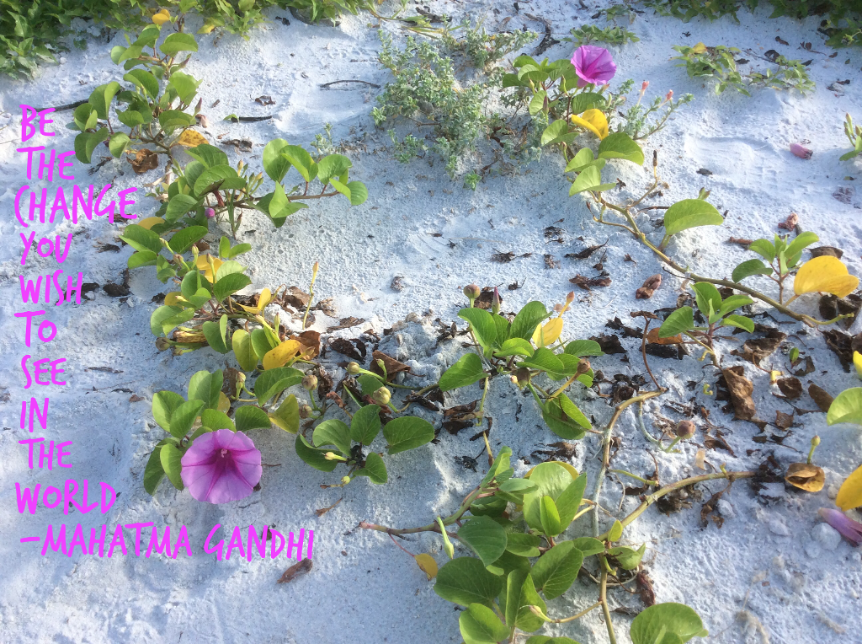
Photo- Dalia at Enders Island, Connecticut


Deacon Tom Writes,

“The Truth of The Matter”


Eighth Sunday in Ordinary Time, Year C


Do you recall the 1963 movie, “It’s a Mad Mad Mad Mad World? It was a farcical comedy that brought some levity into our relatively simple lives back then. Today it seems that movie title all too accurately describes the world we are now living in: Mad... Mad... Mad. Confirmation of this can be found by putting on the evening news.


We all witness vast corruption and scandal in our world and in our church; we see political divisions and factions in a constant state of tension with both sides yelling and no one listening; we see families in distress because of broken relationships, drug and alcohol addictions, and a new alienation caused by the proliferation of technology that places in our hands the entire spectrum the good, the bad and the ugly for all to peruse and make their choice. We are indeed living in incredible times, the best and the worst as Dickens would say.


Today’s readings provide guidance on the choices we face. There is a clear recognition that the world has a different standard by which to measure success than we find in the teachings of Jesus. We all know the standards for success the world embraces... The world is enthralled with power and success with all its entrapments such as, fame, fortune, the display of extravagant wealth and the lifestyle that goes along with it. The world rewards succeed regardless of the costs and no matter what principles or people have to be compromised along the way. Isn’t it interesting how easily the faults of the rich and the famous are overlooked? People with these qualities will rise to the top and stay there. Yes, they are driven individuals who will succeed no matter the cost.


Today’s gospel lays out a dramatically different standard for Jesus’ disciples. It is a very simple standard. It is one Jesus observed in the beauty of nature. “A good tree does not bear rotten fruit, nor does a rotten tree bear good fruit.” This is pure wisdom by which we can measure the integrity of those attempting to gain influence in our lives.


We are at a critical point in the history of the world. There are many powerful voices seeking to influence our spiritual, political, and economic lives. How do we decide what voices to listen to; how do we know what people to support for political office; what standard can we rely upon to help us navigate the world of commerce upon which we depend for our security, comfort, and quality of life?


The lesson from nature, and Jesus, is simple. Look at the fruit! “You don’t get figs from thorn bushes; you don’t gather grapes from brambles.” What kind of fruit are we producing?


Enjoy the day!

Deacon Tom


Please Visit www.deaconspod.com for a contemporary conversation exploring the treasures our Catholic faith has to offer.


OTHER RESOURCES

Recommended Reading: Looking for a good read this Lent? Try “Life of the Beloved” by Henri Nouwen.


Recommended YouTube Video:  The Taylor Marshall Show - The Catholic View of the End Times and Tribulation.

Thursday, February 20, 2025

Seventh Sunday in Ordinary Time, Year C - Be the Change_102325

Deacon Tom Writes,
“Be The Change”


Seventh Sunday in Ordinary Time, Year C


Mahatma Gandhi, one of the great spiritual leaders of the twentieth century, lived and advised others seeking a better world to: “Be the change that you wish to see in the world.”


Twenty centuries earlier an itinerant preacher and prophet encouraged his followers to take a different approach to the wickedness of the world. It was a radical approach then... just as it was in Gandhi’s day; it was not just the road less traveled, but rather the road that had been inconceivable until Jesus introduced it. The ancient patterns of behavior of seeking revenge; the old “eye for an eye and a tooth for a tooth” order of the day mentality needed to give way to a new mindset, a new way of resolving differences. Jesus and Ghandi both understood this. In today’s gospel, Jesus teaches some new and innovative ways on how to rise above the vicious and prevalent injustices of the time with this new teaching... “Offer no resistance to one who is evil” and “turn the other cheek.” Does this mean to yield to evil? Not at all!


Jesus’ radical new prescription to eradicate the plagues of hatred and discrimination is to “love your enemies and pray for those who persecute you.” Gandhi’s advice is similar. We are to introduce positive changes in the world by the ways in which we engage the world.... through the way of love, by showing compassion to those who are suffering, and forgiveness to those who have hurt us. Of course, this is much easier said than done.


There is a story told about the days following the North’s victory over the South in America’s Civil War. President Abraham Lincoln was being pressured by many of his generals and his politicians to completely destroy the Confederacy, to exact revenge on the enemies of the Union once and for all. Lincoln’s answer was classic. He responded to those calling for the annihilation of the South with these reconciling words: “Do I not destroy my enemies when I make them my friends”? Lincoln understood very well that violence only begets more violence. The cycle never ends. How could it in the absence of a new mindset, a new vision that lifts the victim and the vanquished to a higher level of social and moral consciousness?


Lincoln’s attitude toward reconciliation between the North and the South may have contributed to an attitude that perhaps helped fashion America’s treatment of our enemies in the twentieth century when, after the Second World War, the Marshall Plan sent massive humanitarian aid to Europe in order to lay the foundation for a world able to reconcile differences through mutual respect and an orderly process of dialogue rather than mutual destruction.


Embracing a new way of responding to problems that give rise to the endless cycle of violence that ravages peoples, cultures, and societies is a critical component of our faith. Through the Prophet Moses the Lord told his people to “Be holy, for I, the Lord, your God, am holy.” We are called to be holy as God is holy. Therefore, violence and revenge are not options. There is no better advocate for those who choose to follow in his footsteps than Christ who became a victim for us all and who suffered torture and death at the hands of violent people in order to show us the way of peace, forgiveness and reconciliation.


Let us take Christ’s words to heart and strive to put them into practice by “turning the other cheek” when others choose the way of violence and also by praying for those who do so.


Enjoy the day!

Deacon Tom


Please Visit www.deaconspod.com for a contemporary conversation exploring the treasures our Catholic faith has to offer.


OTHER RESOURCES

Recommended Reading: Life is CHANGED, Not ENDED by Fr Robin Ryan, CP. Beginning with its anthropological foundations, Fr. Ryan explores the development of Christian eschatology—the consideration of the "last things," our anticipation of our "joyful hope" as the liturgy says. Working his way through Scripture, the Christian tradition, and modern theology, Ryan ends with a reflection on Julian of Norwich's teaching about hope grounded in the love of God as exemplified by the passion of Christ, and considering the mystery of suffering. A great read during our upcoming Lenten Season.


Recommended YouTube Video:  The Taylor Marshall Show - The Catholic View of the End Times and Tribulation

Thursday, February 13, 2025

Sixth Sunday in Ordinary Time_C - Free to Choose_021626


Image Credit: Pinterest.com - Sermon on the Mount.catholicism.org


Deacon Tom Writes, 

Free To Choose


Sixth Sunday in Ordinary Time, Year C


Jeremiah is teaching the people about simple holiness that leads one to a life of happiness and a sense of security and well-being in the Lord. He uses some vivid images contrasting two opposing ways of life- the holy and the wretched. “Cursed is the one who trusts in human beings… (whose) heart turns away from the Lord.”  Why would one turn their back on the all-knowing, all-loving, all-powerful Lord of all and follow a stumbling fool walking in the dark? Not a good thing, Jeremiah says, for such a person is “like a barren bush in the desert that enjoys no change of season.”


On the other hand, the blessed person “is like a tree planted beside the waters that stretches out its roots to the stream…its leaves stay green; in the year of drought, it shows no distress, but still bears fruit”. Seems rather a simple choice, doesn’t it? 


Jesus also uses contrasting ways of life in today’s readings from St. Luke’s account of the Beatitudes to teach about a life of holiness and blessedness on the one hand and a life of misery and woes on the other. We learn that blessedness is a state of being; it is an attitude with which we go through life. Being blessed is our state of mind when we realize that we can never be satisfied with the things of this world. Being blessed is not about what we have or don’t have, it is about knowing what constitutes the important things in life and choosing them: good relationships, simple living, humility, a prayerful spirit. 


Our readings today cause us to stop and evaluate our lives by looking to see how we are living them. Are our lives healthy and vibrant because we are rooted in virtuous living? Or are we going through a desert experience and withering away? The difference, I suspect, is what emphasis we place on God in our lives. The more God-centered our life, the more blessed we will be, in our hunger for the things that matter, in our finding comfort in our times of sorrow, in our persevering through our daily trials and struggles. 


Today’s readings would have us consider the quality of our spiritual lives based upon the path that we choose. Are our lives flourishing like a tree planted by a stream, fully alive, deep-rooted, a full canopy providing shade and comfort for those around us or, are we withered up and dying of thirst, rotting from the inside out as we go about our lives. It's our choice! Today we hear Saint Paul make the case that we have much to lose by choosing the wrong path as he reminds us that .... “If Christ has not been raised, our faith is in vain; we are still in our sins…. And if for this life only we have hoped in Christ, we are the most pitiable people of all.” 


May we know in our hearts the simple truth that God has called us to the fullness of life in this world and in the next. By his grace we will make the right choice. 


Enjoy the day!

Deacon Tom 


Please Visit www.deaconspod.com and listen in as the three deacons engage in a contemporary conversation exploring the treasures our Catholic faith has to offer to those on the threshold, those thinking of joining our Catholic Community or walking away from it..


OTHER RESOURCES

Recommended Reading: A Reason to Believe, A Personal Story by Lawyer Ron Tesoriero of his fascinating journey in pursuit of answers. Following the trail of the blood of Christ through history and through science he also encounters Eucharistic miracles, the Shroud of Turin, The Sudarium of Oviedo and a vial of “the blood of Christ” taken at the time of the crucifixion now in Bruges, Belgium, in search for the DNA of Christ.


Recommended YouTube Video:  The Eucharistic Miracle of Buenos Aires

Thursday, February 6, 2025

Fifth Sunday in Ordinary Time_C - Depart From Me, Lord_02092025

Image credit: Miraculous draught of fishes by Raphael

Deacon Tom Writes,

“Depart From Me, Lord”


Fifth Sunday in Ordinary Time, Year C


Simple amazement at catching a boatload of fish overwhelms Peter and gives him some insight into the person of Jesus. But Peter’s initial reaction is to resist Jesus telling him, “Depart from me, Lord.” Luke is the only Evangelist to record this episode from the early days of Jesus’ ministry and yet, this brief story speaks volumes not only about Peter’s call to serve God but our own as well. Like Isaiah in our first reading, we are very reluctant to put our shoulder to the task, claiming the obvious excuse that we are not worthy. And like Peter, we too often brush Jesus off or tell him to “hit the road.” To some extent, these are natural responses. We all know that we are sinners and can parrot Peter’s confession before the Lord, “I am a sinful man.” But God is patient, a characteristic essential for anglers, who casts out his line and waits for something to happen.


That waiting on God’s part is our to say yes to his invitation to divine life. God is calling us constantly from the day of our birth. He is calling us to be good children as we begin to form our consciences; he calls us to be good students and to learn about the wonders of the universe he has created; he calls us to build healthy, positive relationships with one another. God calls us into an intimate relationship with him through a sacramental life that nourishes us and draws us close to him through marriage and family life or as individuals who embrace a life of celibacy and or call the Holy Orders. God calls us into service to one another by the vocations that we choose: fireman, lawyer, teacher, janitor, soldier or those who profess vows as religious sisters or brothers, or as clergy be it as priest or deacon. We are all called to a specific task God has for us also, a task that only we can fulfill. And, our calling is not a one-time event. We are called each and every moment to live our lives faithfully by doing those things we have been called to do. We are especially called to be the best mothers, fathers, sisters, brothers, and friends we can be to one another, for family is a calling that is special to God. It is through family life that God reveals the dynamic love of the Holy Trinity and enables us to share in God’s divine essence.


Today we reflect on the call that we have received from God and thank him for the love he has for each and every one of us. Yes, we are unworthy and we know that, but so does God. And do you know what? He doesn’t care! He loves us beyond our sinfulness, and he desires that we love him in return. And so, as we look forward to another day, another precious gift from God, let us keep these words from St. Paul to the Ephesians in our thoughts:


“I, then, a prisoner for the Lord, urge you to live in a manner worthy of the call you have received.” Eph:  4:1


Enjoy the day!

Deacon Tom


Please Visit www.deaconspod.com  and listen in as the three deacons engage in a contemporary conversation exploring the treasures our Catholic faith has to offer to those on the threshold, those thinking of joining our Catholic Community or walking away from it.


OTHER RESOURCES

Recommended Reading: The Shepherd who Didn't Run by Maria Ruiz Scaperlanda is the enduring story of Fr. Stan Rother, the martyr from Okarche, who loved, served and was martyred in the village of Santiago Atitlan, Guatemala serving among God's humble people. A truly remarkable and timely story about America's First martyr.


Recommended YouTube Video: An Ordinary Martyr: The Life and Death of Blessed Stanley Rother

Thursday, January 30, 2025

Feast of the Presentation of the Lord_C - My Messenger_020225


Deacon Tom Writes,
“My Messenger”


“A picture is worth a thousand words,” as the saying goes. In today’s first reading the Prophet Malachi speaks of another messenger whose anticipated arrival was awaited with much desire by the Jewish people. Malachi writes that this mysterious person will be pleasing to the Lord and will purge every tinge of imperfection from his priests and his people. He will fulfill the covenant and be swift to judge with justice. Malachi writes that “You will find him in the temple”.


While our Christmas season has faded into the past, our feast today celebrates the Jewish ritual in which the first-born male born was presented in the Temple as a sacred offering to the Lord. What a thought! The most precious gift we receive from God is symbolically offered back to the Lord, the source of all that we have… and all that we are.


How our faith really challenges us! God’s messenger, God’s Word, God’s revelation of himself to his creation was manifested in such a fully recognizable and human experience, a child….  a vulnerable, needy, dependent, infant in whom lies the salvation of a broken world.


The Feast we celebrated today calls to mind our need to present ourselves to the Lord; that we are called to offer our very being and the work of our hands to do what God asks of us in bringing about the Kingdom of God here in our time, where we work and live and go about our daily tasks.


Jesus enters into the human family in an ordinary way, subjects himself to the rites and rituals of the Jewish faith in order to fully embrace our human condition. Throughout his ministry, Jesus continues to draw closer to the Father and discerns what is God’s Will for him. And, by so doing, Jesus becomes for us the “The Way, the Truth and the Life.”


The Prophets Simeon and Anna tell Jesus’ wonder struck parents somewhat of the foreboding road that lies ahead… there will be challenges for their child to overcome, there will be pain and suffering for him and them, too. Isn’t that the story of life? Perhaps that’s why God’s Messenger begins his story where we all do, an infant. May our journey through this life, like Jesus’ follow the path God has laid out for us. And may we follow his example and place our hope and trust in him.


Enjoy the day!

Deacon Tom


Please Visit www.deaconspod.com  and listen in as the three deacons engage in a contemporary conversation exploring the treasures our Catholic faith has to offer to those on the threshold, those thinking of joining our Catholic Community or walking away from it.

OTHER RESOURCES


Recommended Reading:  Christian Mystics - Their lives and Legacies throughout the Ages by Ursula King Introduces sixty men and women whose great devotion and mystical relation to God transformed the times in which they lived and continues to affect our search for spirituality today.


Recommended Podcast: 3 Stages of the Spiritual Life according to the Catholic Saints. A look at the lives of those who wrote extensively and contributed greatly to the spirituality of the Catholic Church? This video will explore some of the thoughts of St Teresa of Avila, St John of the Cross, St Catherine of Siena, St Francis de Sales and St Bernard of Clairvaux.


Thursday, January 23, 2025

Third Sunday in Ordinary Time_C - One in Christ_012625


Image: http://religion-cults.com/metanoia/cristo-cuerp-m.jpg

Deacon Tom Writes,

“One in Christ”


Third Sunday in Ordinary Time, Year C


The devastation caused by natural disasters that currently devastate the Las Angeles area or the recent floods in the northeast, the sufferings of those traumatized by war in the Ukraine, Israel, and Gaza, the famine in may African countries, the fear on the faces of children with bellies swollen from hunger and disease, these images  have simply overwhelmed our senses. We just can’t take in the misery and suffering we witness day to day. In many respects we have become all too familiar with it all. It is painful to watch this suffering unfold, for, the truth is, our minds simply cannot grasp the horrific misery many of our brothers and sisters in Christ are enduring at this very moment. Worse, we may have even become indifferent to it. Consider what the Syrian people have experienced these many years. I know they have been forgotten or rather displaced by the suffering of other peoples whose situation is equally dire or, imaginable as it may seem, even worse...the Uyghurs, the Afghans, the Rohingya or the Yemenis. It is virtually impossible to comprehend the millions of people who are on the verge of starvation in these and many other places around the world! Then again imagine what it is like to lose everything you own in an instant when a tornado rips through your home or the nearby wild fire blazes over the hilltop and consumes everything in sight, everything you have worked your whole life for and perhaps even a loved one. Yes, these are horrific images that overwhelm us and perhaps we can’t even bare to look at them. Yet, St. Paul tells us the reason we Christians feel the pain that others are experiencing is because we believe that we are all part of the one Body of Christ. “If one part suffers, all the parts suffer with it” St. Paul reminds us in today’s reading. Are we feeling the pain that our brothers and sisters in Christ are experiencing today?


St. Paul recognized that we are intimately united with one another when we enter into a relationship with Christ. His experience while on his way to Damascus to persecute those early followers of Christ helped formed this understanding. Recall the events of the Acts of the Apostles, Chapter 9, when Saul was blinded by a bright light and fell to the ground. He heard a voice say, “Saul, Saul, why are you persecuting me”? When Saul asked who was speaking to him, he heard the response, “I am Jesus, whom you are persecuting.” Saul must have felt totally bewildered. He was on a mission to put an end to that fledgling group of Jesus’ followers, NOT to encounter this Jesus who was already dead. But after this profound encounter with Jesus, the newly transformed bounty hunter would become one of Christ’s greatest witnesses. And one of his many contributions to our faith is what he understood to be this Mystical Body of Christ that we read about today.


Because we Christians believe that we share this mystical union with one another through Christ, all of us suffer any and each time someone else suffers physically, mentally, or emotionally, whether the cause is natural or the result of our own violent, aggressive and misguided activities. Yes, we are all aware of the suffering and misery that thrives in our world today. And how are we as Christians to respond to the afflictions of refugees, or the victims of war…AIDS…poverty…injustice, etc. that ravage our brothers and sisters in Christ, all of whom, we believe, are made in the image and likeness of God? Certainly, financial support is essential for food, medical supplies, and disease control. These items are most essential. But also, we cannot overlook our spiritual contributions – prayer, fasting and time spent reflecting on how the suffering of people around the world is bound up with Our Lord’s redemptive suffering that frees us from death and restores us to everlasting life. In the end we need both the material and the spiritual contributions to help alleviate the suffering of so many people. Doing our small part will help us better understand ourselves as the mystical body and provide much needed assistance to those in need. And, therein lies tremendous hope for our broken and troubled world.


Enjoy the day!

Deacon Tom


Please Visit www.deaconspod.com  and listen in as Paulist Fathers Deacon Affiliates engage in a contemporary conversation exploring the treasures our Catholic faith has to offer to those thinking of coming into or leaving it.


OTHER RESOURCES


Recommended Reading:  Life is Changed, Not Ended: An Introduction to Christian Eschatology by Robin Ryan  Beginning with its anthropological foundations, Robin Ryan explores the development of Christian eschatology―the consideration of the "last things," our anticipation of our "joyful hope" as the liturgy says. Working his way through Scripture, the Christian tradition, and modern theology, Ryan ends with a reflection on Julian of Norwich's teaching about hope grounded in the love of God as exemplified by the passion of Christ, and considering the mystery of suffering.


Recommended Podcast: Opening Minds, Opening Hearts Podcast with Colleen Thomas & Mark Dannenfelser. Episode 12/03/2023 with Fr. Greg Boyle - Fr. Greg Boyle: Everybody is Unshakably Good. No Exceptions.

Thursday, January 16, 2025

Second Sunday in Ordinary Time_C - Water into Wine - A Call for Transformation_011925

Image Credit: The Wedding Feast at Cana by Fr. Joel

Deacon Tom Writes,
“Water into Wine – A Call to Transformation”

The Wedding Feast at Cana is the third “epiphany” of our Lord because it is the third official occasion in which Jesus’ identity is made known to others. The first revelation was recounted two weeks ago on the Feast of the Epiphany when the magi came from the far corners of the world to pay homage to the Christ Child. Last week was the Feast of the Baptism of Our Lord and Jesus is revealed as God’s beloved. Today at Cana Jesus reveals his power over the natural order by, of all things, changing water into wine.


Jesus is an agent of change, radical change, change where what was, ceases to be and what was not, comes into being. According to John, Jesus is the Preexistent and Incarnate Word who comes to reveal the Father to us. Jesus’ mission is to establish God’s reign in our world through his creative and transformative works inaugurated with this amazing miracle at Cana.


It is important for anyone who wants to experience a deeper spiritual life to be open to the transformative power of Christ. It’s difficult to make any significant changes in our lives. How long does it take us to abandon our new year’s resolutions? How much more so when it comes to any deep-seated, harmful bad habits or prejudices we may have harbored for years. There are several reasons for this: first, because we don’t see them for the evils that they are, so we ignore them. Denial is an insidious part of our human nature. Second, we are very good at putting off difficult changes until tomorrow. Tomorrow, of course, never comes.


Jesus’ ministry is one that invites us to examine our lives and root out behaviors that are contrary to our spiritual well-being. He does this, if we take up the challenge, by removing our blindness, curing our paralyses and giving us the opportunity to embrace the new life that only he can give. In other words, he empowers us to overcome the obstacles that hinder our spiritual growth. Jesus gives us the power to change; he gives us the living water of Baptism and the Bread of Life in the Eucharist. And, we have the Sacrament of Reconciliation when we fall. He gives us the power to come to know him through the abundant sacramental life that feeds and nourishes all who desire him and imitate his prayer life.


Paul’s letter to the Corinthians reveals that the transformative work begun by Jesus is continued through the power of the Holy Spirit who lavishes God’s gifts upon us for the good of all. We all drink from the one Cup that has been filled with the “Good Wine” that Jesus has made available to all who come to him looking for God’s infinite love, mercy, and compassion.


We have been given the greatest of gifts possible in that we have been given this new year to continue our efforts to deepen our relationship with Christ. May God bless us in this work to... change the things we can change, accept those things that we cannot and grant us the wisdom to know the difference.


Enjoy the day!

Deacon Tom


Please Visit www.deaconspod.com and listen in as the three deacons engage in a contemporary conversation exploring the treasures our Catholic faith has to offer to those on the threshold, those thinking of joining our Catholic Community or walking away from it. 


OTHER RESOURCES


Recommended Reading: Hope Against Darkness by Fr. Richard Rohr is an excellent treatment of what we are so afraid to encounter... our dark self. Rohr describes how following Saint Francis' way to forgiveness and love, and "owning the darkness," can bring us out of the postmodern pit in which we find ourselves.


Recommended Podcast: Recovering the mystical Identity of Christianity – Part 2. This is a wonderful presentation by Fr Laurence Freeman who leads us on seeing the mystical in our everyday lives… Great stuff for the soul here… Give it a go….